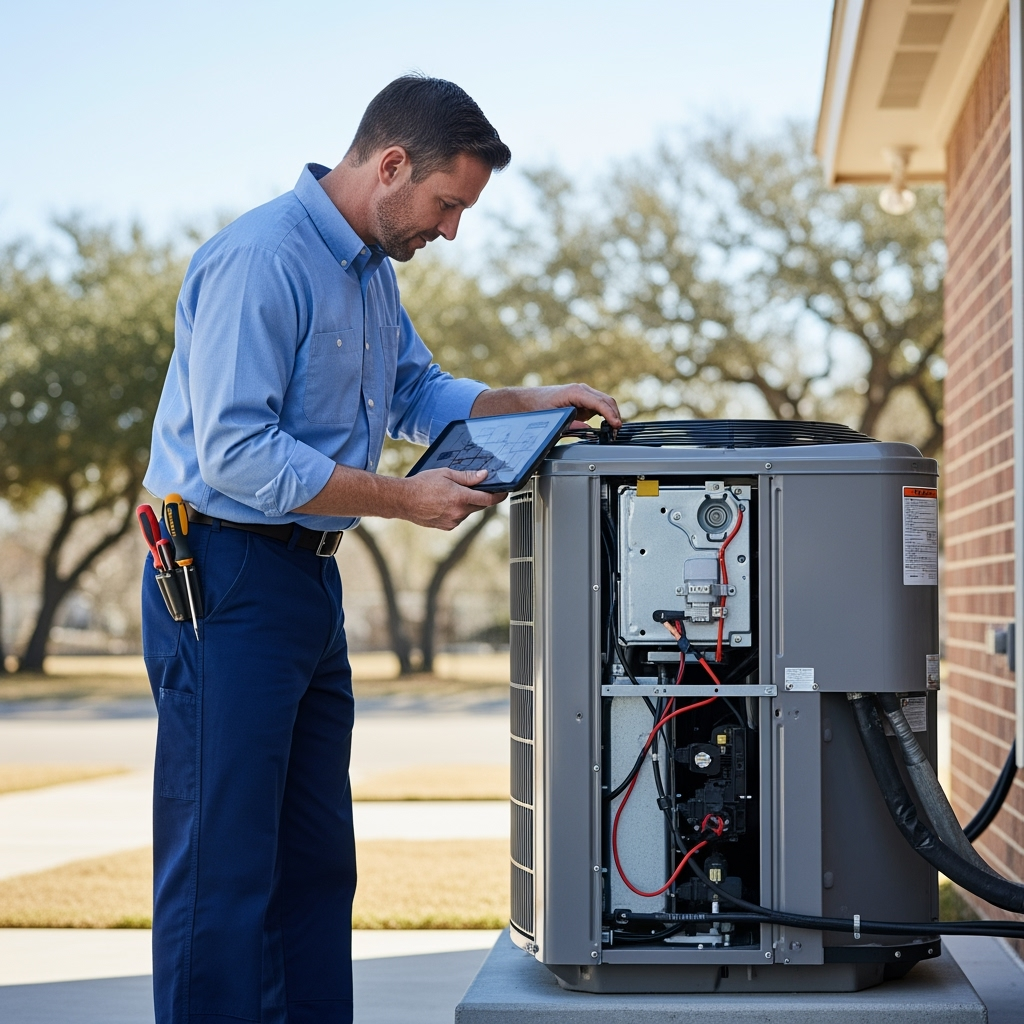
I’ve helped homeowners and business owners navigate HVAC choices for years, and I know how important it is to hire hvac technicians in San Antonio, TX, who understand our climate and building types. The city’s long, hot summers and humid springs mean systems work hard, so choosing the right tech can save time, money, and discomfort. For local facts and municipal resources, I keep the city’s official site handy: San Antonio.
Why hiring local HVAC technicians matters
Hiring a technician who works in the area daily is different than hiring someone who’s passing through. Local techs know which systems hold up in this climate, how humidity affects ducts, and which neighborhoods have older houses that need specific approaches. They’re familiar with common local problems like oversized or undersized units in older San Antonio homes and how to balance efficiency with durability when it comes to replacing or repairing equipment.
Fast response and local knowledge
When your air conditioning fails in July, you want service the same day. Local HVAC technicians often provide quicker emergency response and can route their teams efficiently across neighborhoods like Alamo Heights, Stone Oak, or Southtown. They also understand the local code and permitting process, which helps avoid surprises when installing or upgrading systems.
Long-term care and seasonal tuning
Because our systems run hard, ongoing maintenance matters. A local tech can set up seasonal tune-ups timed to San Antonio’s weather patterns, spotting issues like failing capacitors, low refrigerant, or worn belts before they become emergencies. That proactive care extends equipment life and improves energy performance.
When to call an HVAC technician
Some problems are obvious: no cooling, strange noises, or a safety concern like a cracked heat exchanger. Other signs are subtler but just as important. Below are common triggers that should get you on the phone with a professional rather than attempting DIY fixes that can void warranties or create hazards.
- Complete loss of cooling or heating, especially on very hot days.
- Unusual smells like burning, mold, or refrigerant odor.
- Poor airflow or uneven temperatures across rooms.
- Sharp increases in energy bills with no change in usage.
How to choose the right HVAC technician
Choosing a technician isn’t just about the lowest quote. I recommend a practical mix of verification, questions, and gut check. Here’s what I always look for before hiring someone to work on my system.
Licenses and certifications
Make sure the technician is properly licensed in Texas and holds EPA 608 certification for handling refrigerants. Certifications such as NATE (North American Technician Excellence) show additional training and competence. Licensed contractors also carry insurance, which protects you if something goes wrong during a repair or installation.
Clear estimates and scope of work
A solid technician will provide a written estimate that breaks down parts, labor, and any permits or disposal fees. Beware of vague quotes or high-pressure sales. A reputable professional will explain options, including energy-saving upgrades and warranty implications.
Experience with local systems
Ask about experience with specific brands and system types common in the area—split systems, heat pumps, packaged rooftop units for small commercial sites, and refrigeration for restaurants. Experience with local building styles and ductwork configurations is a big plus.
Questions to ask before hiring
When I call for an estimate, I have a short checklist of questions that helps me compare providers fairly and quickly. Use these during your first conversation to separate experienced pros from amateurs.
- Are you licensed and insured in Texas? Can you provide proof?
- Do you have EPA 608 certification and NATE-certified technicians?
- Will you provide a written estimate and timeline?
- What warranties do you offer on parts and labor?
What to expect during a service visit
A professional service call follows a reliable pattern: diagnosis, transparent explanation, repair or recommendation, and cleanup. Here’s how a typical visit should go so you know what good service looks like.
Thorough diagnosis
The technician should start with a system walk-around and use diagnostic tools—manifold gauges for refrigerant, amp meters for electrical load, and airflow measurement tools when necessary. They should identify the root cause rather than just treating symptoms.
Clear explanation and options
After diagnosis, expect a clear explanation of the problem, why it happened, and options. The tech should present short-term repairs versus replacement and the pros and cons of each, including estimated costs and expected lifespan improvements.
Safe, code-compliant work
All repairs or installations should meet local code and be performed safely. Technicians should be careful with refrigerant handling, proper discharge locations, and disposal of old equipment. If permits are required, a reliable contractor will pull them and show proof when requested.
Pricing, financing, and cost-saving considerations
Costs vary widely depending on system size, age, and the work required. Repair bills for simple fixes can be under a few hundred dollars, while replacements for larger systems can reach several thousand. I focus on value: a slightly higher upfront cost for better quality equipment and proper installation often saves money over the long run.
Ways to manage cost
Ask about financing options or payment plans if you need a replacement. Also check for local utility rebates or federal incentives for high-efficiency systems. Proper maintenance—seasonal tune-ups and filter changes—prevents premature failures and keeps efficiency high.
Trending HVAC topics to watch
Staying current with trends helps you make better decisions. Here are two trends changing how homes and businesses approach indoor comfort.
Electrification and heat pumps
More homeowners and businesses are switching to electric heat pumps, which provide efficient heating and cooling in one system. In moderate climates like ours, modern heat pumps can reduce energy bills and simplify servicing because they eliminate on-site combustion when paired with electric heat.
Smart thermostats and connected systems
Smart thermostats are now mainstream and can cut energy use when set up properly. They also help technicians remotely troubleshoot issues, gather system performance data, and schedule maintenance proactively. If you install a smart system, ensure the technician can support it during and after the install.
Local considerations for San Antonio and nearby communities
San Antonio’s climate, building stock, and neighborhood mix impact how HVAC systems perform. The city’s population of more than 1.5 million people and steady growth mean both residential and commercial HVAC demand is high, especially during peak summer months. For local resources and municipal information, see San Antonio’s official site.
In historic neighborhoods and older homes, ductwork and insulation are often the weak link. In newer subdivisions like Stone Oak or developments near New Braunfels, homes may have oversized equipment or improperly sealed ducts. Local technicians who have worked across multiple neighborhoods bring an important perspective to repairs and replacements.
Actionable steps to hire the right technician
Use this simple hiring checklist when you’re ready to schedule service. It keeps the process quick and focused, so you hire someone who’ll do quality work without surprises.
- Get at least two written estimates detailing parts, labor, and timeline.
- Verify license, insurance, and key certifications before work begins.
- Ask for recent references or examples of local jobs in the city or nearby towns.
- Confirm warranty terms and post-service support, including emergency response.
Signs your system needs replacement rather than repair
Deciding between repair and replacement can be tough. I look at age, repair frequency, efficiency loss, and comfort levels. If a system is older than 10–15 years, needs frequent repairs, or runs inefficiently even after service, replacement is often the smarter long-term decision. New systems with properly matched components and correct ductwork sizing deliver better comfort and lower operating costs.
Frequently asked questions
How often should I have my system serviced
I recommend professional tune-ups at least once a year for heat pumps and split systems, ideally before the cooling season. For commercial refrigeration or rooftop units, schedule inspections twice a year. Regular filter changes and keeping outdoor units clear of debris also help between professional visits.
Can I trust online reviews
Online reviews can be helpful, but look for patterns rather than single comments. Pay attention to recent reviews and how the company responds to complaints. Also ask for local references so you can confirm the quality of work in your neighborhood.
What certifications matter most
Look for EPA 608 for refrigerant handling, NATE certification for technicians, and a valid Texas HVAC contractor license. These indicate basic competency and legal compliance. Insurance and worker coverage protect you in case of accidents during work.
Final thoughts and next steps
Hiring trustworthy HVAC technicians in San Antonio, TX, is about matching local experience with clear communication and verified credentials. Take the time to compare written estimates, check certifications, and ask about warranties and emergency response. Those steps cut the risk of surprises and lead to better comfort and savings over the life of your system.
If you’re ready to schedule service or need an estimate for a commercial refrigeration or HVAC project in the area, reach out to NexTech for local support and guidance.